
Introduction
The future of real estate photo editing is not just about better software. It is about how listing visuals are expected to perform in a market where buyers first judge a property online, often on mobile, and often in seconds.
That shift has changed the role of editing. Real estate photo editing is no longer a simple clean-up step after a shoot. It is now a core part of how agents, photographers, and sellers shape the first impression of a listing. The final images need to be accurate, attractive, consistent, and fast enough to support modern listing timelines.
In practical terms, that means the future of real estate photo editing is being shaped by a few overlapping forces:
- AI-assisted editing workflows
- stronger demand for realistic results
- more integrated virtual staging and virtual renovation
- growing use of immersive listing media
- higher expectations around speed and consistency
The good news is that these changes are not making editing less important. They are making good editing easier to notice. As buyers compare more listings online, the gap between polished, trustworthy visuals and weak, rushed visuals becomes more obvious.
This article looks at the trends most likely to define the future of real estate photo editing and what they mean for agents, photographers, and property marketers.
AI-Assisted Editing Will Keep Expanding, But Human Review Still Wins
The biggest shift in real estate photo editing is the rise of AI-assisted workflows. Editors can now automate parts of the process that used to take much longer:
- exposure balancing
- sky replacement
- object detection
- window masking
- clutter reduction
- initial batch sorting and image selection
That matters because listing timelines are getting tighter. Agents want faster turnaround, photographers want cleaner workflows, and sellers want to go live with strong images as quickly as possible.
AI helps with that. It can speed up the first pass and reduce repetitive labor. But the future is not "AI replaces photo editing." The future is AI handling repetitive setup work while experienced editors handle realism, taste, and consistency.
That distinction matters in real estate more than in many other photography categories. Buyers do not just want beautiful photos. They want believable photos. If colors look artificial, lines are overcorrected, windows look fake, or the room feels digitally manipulated, trust drops immediately.
So the real long-term trend is not full automation. It is hybrid editing:
- capture strong source files
- use AI to accelerate repetitive adjustments
- apply manual review to make the result natural and market-ready
The editors and companies that do this well will likely define the future of the category.

You may also want to read more about: “The future of virtual staging : How AI is Transforming“
Realism Will Matter More Than Dramatic Effects
One of the most important changes in real estate photo editing is not a new tool. It is a higher standard for realism.
There was a period when aggressive edits often passed as "premium." Overly saturated skies, glowing interiors, extreme HDR, and heavily stylized twilight effects could make a listing stand out. But that approach is losing value because buyers are more visually literate now. They have seen enough overprocessed listings to recognize when the image feels disconnected from reality.
That means the future of real estate photo editing will reward restraint:
- better tonal balance
- cleaner verticals
- believable window views
- subtle color correction
- realistic lawn and sky enhancement
- object removal that does not leave obvious artifacts
The best edited real estate photos increasingly look effortless. That is usually a sign of stronger work, not weaker work.
This trend also makes sense from a business standpoint. Buyers who feel misled by listing images tend to lose trust quickly. Accurate, polished presentation creates a better bridge between the online impression and the physical showing. That is good for both marketing and conversion.
Day-to-Dusk Editing Will Stay Important, But It Has to Look Natural
Day-to-dusk conversion is still one of the most effective real estate photo editing techniques because it changes the emotional feel of a listing instantly. A standard exterior image can become warmer, more dramatic, and more premium with careful dusk editing.
The future here is not whether the technique survives. It will. The real question is what kind of dusk editing buyers will continue to trust.
The answer is realistic dusk editing:
- believable sky color
- natural window glow
- consistent exterior lighting
- no unnatural halos or extreme contrast
That is why the future of this technique depends on quality control. A realistic dusk conversion can elevate curb appeal, especially for homes with strong architecture, pools, patios, or exterior lighting. A poor one makes the listing feel artificial.
Luxury listings will likely keep using dusk imagery because mood and atmosphere are part of the value proposition. But even mid-market listings can benefit when the edit stays credible and supports the property's real character.
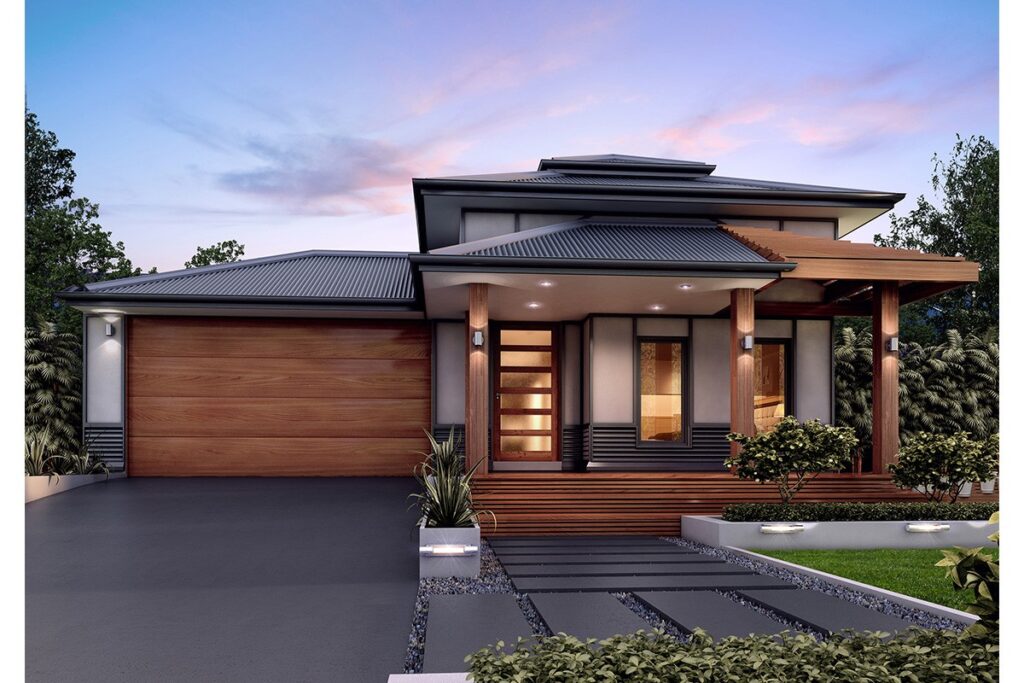
Virtual Staging by Digihomestudio.com
Virtual Staging Will Become a Core Editing Service, Not a Side Add-On
Virtual staging has already moved from novelty to standard practice on many vacant listings. In the future, it will likely feel less like a separate premium upsell and more like a normal branch of real estate photo editing.
That is because virtual staging solves a common listing problem: empty rooms are often harder for buyers to interpret. A staged room gives scale, function, and emotional context.
NAR's 2025 Profile of Home Staging reinforces why staging remains important. Buyers' agents continue to say that staging helps buyers visualize a home, especially in the living room, primary bedroom, and kitchen. That makes virtual staging particularly relevant for listings where those rooms are vacant or visually flat.
The future trend is not just "more virtual staging." It is smarter virtual staging:
- more realistic shadows and textures
- furniture styles matched to the property
- selective use in the most important rooms
- more disciplined disclosure and presentation
That means the editing side of virtual staging will become more sophisticated, but also more restrained. The best work will not try to show fantasy interiors. It will try to show plausible, appealing possibilities.
You may also want to read about: Home Staging & Virtual Staging Statistics for Home Sellers
HDR Editing Will Keep Evolving Toward Cleaner, Less Obvious Results
HDR imaging has been part of real estate photography for years, but the future of HDR editing is cleaner execution, not heavier effect.
High Dynamic Range techniques still matter because interiors often contain difficult exposure situations. Bright windows, darker hallways, and mixed interior light sources are common. Good HDR editing helps preserve balance so the room feels readable and realistic.
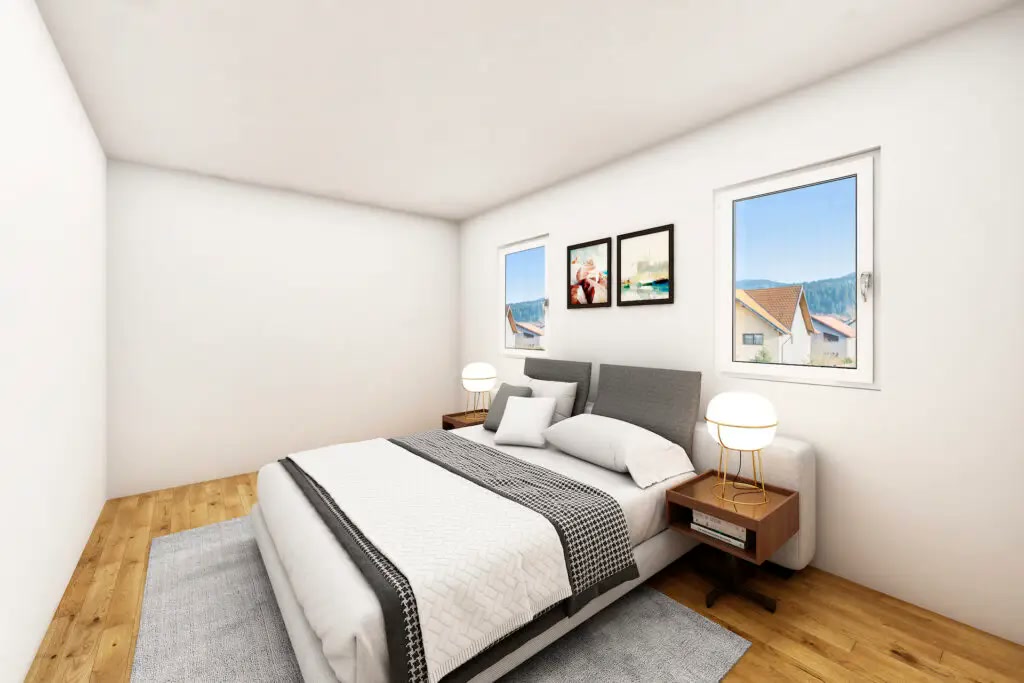
What is changing is buyer tolerance for obviously processed HDR images. Heavy halos, crunchy textures, and unnatural color shifts are less acceptable than before. As editing tools improve, the expectation rises as well.
The future of HDR in real estate photo editing will likely look like this:
- better automated blending
- stronger highlight recovery
- cleaner window exposure treatment
- less visible processing
- more natural interior color rendering
That means good HDR will increasingly disappear into the final result. Buyers may not recognize the technique, but they will recognize that the room feels clear and trustworthy.
You can refer to: https://www.upscale.media/upload
Drone, Virtual Tour, and Editing Workflows Will Merge More Closely
Another important part of the future is that real estate photo editing will not stay isolated from other listing media. Editing will increasingly sit inside a broader visual package that includes drone imagery, virtual tours, floor plans, and video.
Take drone photography as one example. Aerial images usually need their own editing logic:
- atmospheric correction
- contrast balancing
- color consistency with ground-level images
- neighborhood clarity
The same is true for virtual tours. Buyers increasingly expect deeper online exploration before deciding whether to schedule a showing, and those tours need:
- consistent color
- clean exposure transitions
- sharper navigation visuals
- better visual continuity from room to room
As these media formats become more common, editing teams will need to think less in terms of single images and more in terms of multi-asset consistency.
You may also want to read about: Sky-High Success: How Drone Photography Transforms Real Estate Marketing
You may also want to read about: 2D vs 3D Floor Plans: Which You Should Choose?

Floor Plans and Visual Layout Tools Will Become More Integrated
One of the clearest shifts in listing presentation is that buyers want more than room beauty shots. They also want layout clarity.
That is why floor plans, especially when combined with photo editing and staging, will keep gaining value. Floor plans reduce uncertainty. They help buyers understand room relationships, circulation, and overall proportions in a way standalone photos cannot.
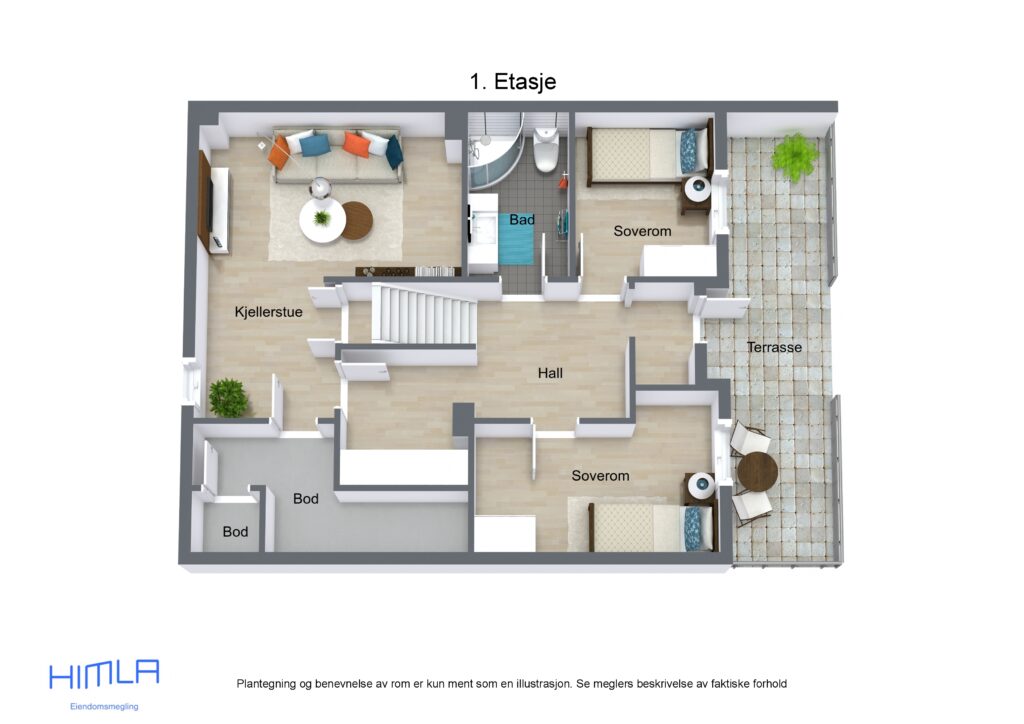
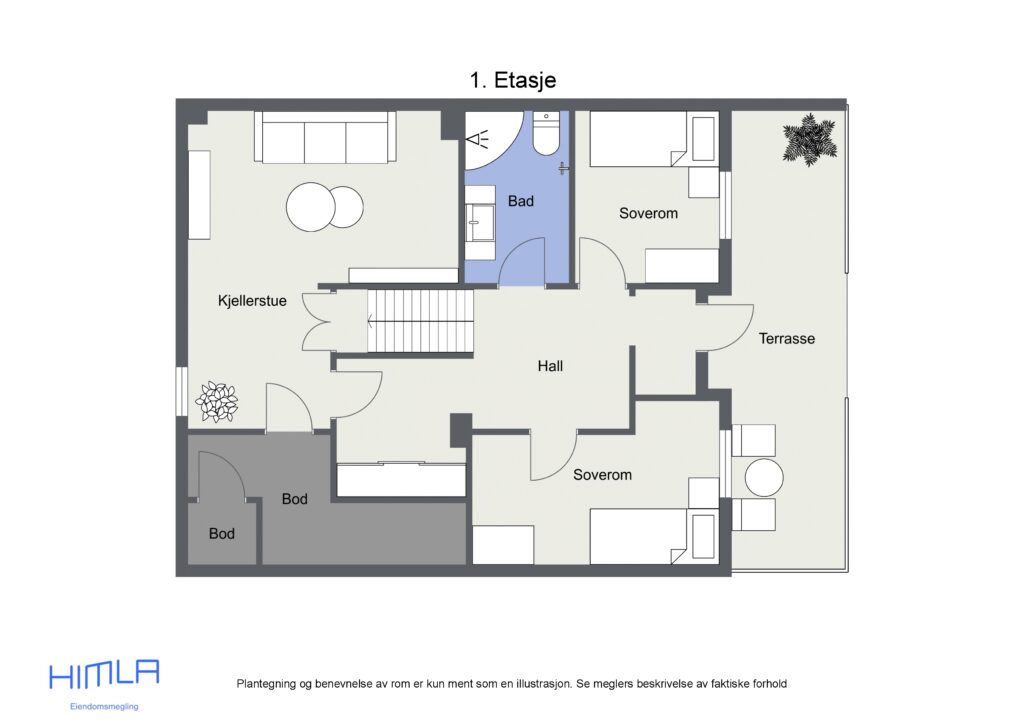
2D Floor Plan by Digihomestudio.com
In the future, editing teams and content packages will likely connect these assets more closely:
- listing photos
- virtual staging
- 2D floor plans
- 3D floor plans
- virtual renovation mockups
Instead of treating them as separate products, more agencies and service providers will offer them as a coordinated visual system. That makes sense because buyers do not consume these assets in isolation. They use them together to decide whether a property fits their needs.
Decluttering, Depersonalization, and Object Removal Will Stay Essential
Some future trends sound flashy, but one of the most consistently useful forms of real estate photo editing remains simple cleanup.
Decluttering and depersonalization matter because buyers need to see the property, not the current owner's life inside it. Object removal tools are improving quickly, especially with AI assistance, which means editors can now remove:
- personal items
- cords and small distractions
- minor wall clutter
- bins, signs, or utility objects
- excessive decorative noise
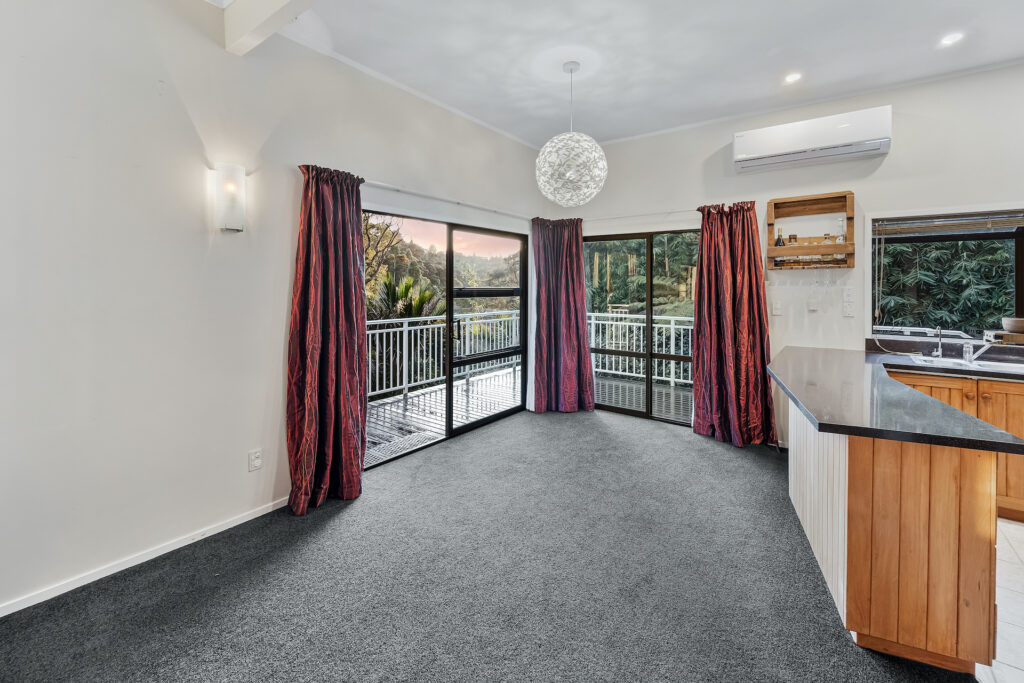
The future improvement here is precision. Faster tools will make cleanup easier, but the best results will still depend on judgment. Removing too much can make the room feel strangely empty or unrealistic. Removing the right distractions can make the room feel calm, clear, and more spacious.
This part of editing is not glamorous, but it has direct marketing value. Clean rooms photograph better, crop better, and generally feel easier to understand across listing portals and mobile devices.
Virtual Renovation Will Grow Because Buyers Want to See Potential
Virtual renovation is likely to become a bigger part of the future of real estate photo editing because more buyers want help seeing possibility, not just current condition.
That is especially useful for:
- dated interiors
- homes with cosmetic issues
- investor properties
- renovation-heavy listings
- spaces where layout or finish potential is hard to visualize
Virtual renovation lets editors and marketers show what a home could look like after updates without physically changing the property first.
In the future, this service will likely become more refined in two ways:
- more realistic material rendering
- more strategic use tied to real buyer objections
That second point matters. Virtual renovation is strongest when it answers a selling problem clearly. It helps the buyer move from "this room needs work" to "I can see what this could become."
For the right listing, that can be a major advantage.
Conclusion
The future of real estate photo editing will be defined by speed, realism, and integration. AI-assisted tools will keep improving workflows, but human review will remain essential for quality. Day-to-dusk editing will stay valuable when it looks believable. Virtual staging and virtual renovation will keep growing because they help buyers understand both current use and future potential. HDR, drone media, tours, and floor plans will become more tightly connected inside one coordinated listing package.
What all of these trends have in common is simple: buyers expect more clarity from listing visuals than they used to. They want polished photos, but they also want trust. They want strong presentation, but they also want realism.
That is why the future of real estate photo editing belongs to workflows that are faster without looking rushed, more advanced without feeling artificial, and more complete without losing accuracy.


