
Introduction
Real estate photography trends change whenever buyer behavior changes. That is the real pattern behind every "new" photography tactic. Buyers spend more time online, compare more listings before they ever schedule a showing, and expect a property to feel clear, polished, and easy to understand on a phone screen first.
That is why real estate photography is no longer just about taking technically good photos. It now includes editing quality, visual consistency, staging strategy, short-form video, immersive media, and how well the final assets perform across listing portals, email, Instagram, and mobile search.
The broad direction is not difficult to see. The National Association of REALTORS has consistently reported that nearly all homebuyers use the internet in their search process, which means listing visuals still do a large part of the first-impression work. Once buyers arrive on a listing page, the photos, video, staging, and layout context often determine whether they keep scrolling, save the property, or move on.
This article looks at the top real estate photography trends shaping that process now:
- AI-assisted editing and workflow speed
- more strategic virtual staging
- drone photography and aerial storytelling
- 3D tours and interactive property exploration
- cinematic video instead of static-only marketing
- twilight photography and mood-driven exterior presentation
- mobile-first image and video formatting
- stronger focus on features that support buyer decision-making
If you want to connect these trends to execution, it also helps to compare them with real estate photo editing services and virtual staging services, since much of the final quality buyers see comes from post-production, not just what happened in-camera.
1. AI-Assisted Editing Is Becoming a Standard Workflow Layer
One of the clearest real estate photography trends is not that AI replaces photographers. It is that AI is becoming part of the production workflow.
Photographers and editors now use AI-assisted tools to speed up repetitive tasks such as:
- culling large photo batches
- balancing exposure
- masking windows and skies
- reducing basic distractions
- generating first-pass edits before human review
That changes the economics of turnaround time. Agents expect faster delivery than they did a few years ago, and photographers need systems that help them move from shoot to publish-ready assets without sacrificing consistency.
The important distinction is that AI-assisted editing is valuable when it supports quality control, not when it tries to shortcut judgment. Real estate images still need accurate lines, believable color, realistic window pulls, and controlled contrast. If the edit looks synthetic, buyers notice.
That is why the current trend is not "AI only." It is AI plus manual refinement. The faster first pass matters, but the professional finish still comes from a trained eye. In practice, that means the winning workflow is usually:
- capture strong source images
- use AI where it removes repetitive labor
- manually review for realism and consistency
For real estate photography, speed matters, but trust matters more.

2. Virtual Staging Is More Selective and More Strategic
Virtual staging is no longer interesting just because it exists. It is now judged by how realistic it looks and whether it solves a specific listing problem.
That is the major shift. Earlier discussions around virtual staging focused on novelty and cost savings. The current trend is more practical. Agents are using it selectively to help buyers read vacant rooms, improve weak online presentation, and create a stronger visual story for spaces that feel ambiguous when empty.
The most effective virtual staging now usually has these qualities:
- realistic furniture scale
- lighting that matches the original room
- style choices that fit the property
- clear disclosure when required
- restraint rather than over-design
That last point matters. The trend is moving away from overly stylized rooms that look more like mood boards than sale-ready spaces. Buyers respond better when the staging helps them understand function and proportion. Agents benefit when the room still feels believable in person after the showing.
NAR's 2025 staging profile reinforces why this works. Buyers' agents still report that staging helps buyers visualize a property as a future home, especially in high-impact rooms such as the living room, primary bedroom, and kitchen. That makes virtual staging particularly useful when those rooms are empty or visually confusing.
The cost side also keeps it relevant. Traditional staging can be expensive and slow to coordinate. Virtual staging remains attractive because it gives agents a way to improve listing presentation without staging an entire property physically.
So the real trend is not simply more virtual staging. It is better virtual staging used with clearer intent.
3. Drone Photography Still Matters When the Property Deserves Context
Drone photography is not new, but it remains one of the strongest real estate photography trends because it solves a problem standard ground photography cannot. Some properties need context, not just room coverage.
That is especially true for:
- larger lots
- waterfront or view properties
- homes near parks, golf courses, or trails
- estates with outdoor amenities
- properties where neighborhood positioning adds value
The reason drone work remains important is not because every listing needs an aerial image. Most do not. The reason is that the right property can gain real clarity from one or two well-chosen aerial shots or a short aerial video sequence.
The current trend is more disciplined use. Instead of treating drone footage like a gimmick, agents and photographers are using it to answer specific buyer questions:
- How much land comes with the home?
- What surrounds the property?
- How close is the water, green space, or city core?
- How do the exterior features relate to the house?
That makes drone work part of storytelling rather than decoration. When used that way, it still helps listings stand out in a crowded market. Once the aerial is shot, see our guide to making drone photos listing-ready.
4. 3D Tours and Interactive Walkthroughs Keep Gaining Value
Another major real estate photography trend is the continued importance of immersive viewing tools. Static images still do the heavy lifting, but more buyers now expect some form of deeper exploration before they commit to a tour.
That is where 3D tours, floor-plan-linked walkthroughs, and interactive property views matter. Matterport has long argued that 3D tours increase engagement compared with static-only listings, and even without relying on a single headline number, the broader buyer expectation is clear: remote pre-screening is normal now.
A good 3D tour helps buyers:
- understand room flow
- judge scale more accurately
- compare levels or wings of a home
- decide whether the home is worth an in-person visit
This trend matters because it changes the purpose of photography. Photos still need to look strong, but they now often work together with immersive media rather than standing alone. For photographers and agents, that means a more complete listing package has become the standard on stronger properties.
The most effective version of this trend is not maximum technology. It is clarity. If a tour is hard to navigate, slow to load, or poorly captured, it adds friction. If it is clean and intuitive, it helps qualify interest faster.
5. Cinematic Video Has Moved From Luxury Add-On to Core Marketing Asset
One of the biggest changes in real estate photography is the shift from still-photo-only marketing to a more complete visual package that includes video.
That does not mean every listing needs a dramatic luxury film. It means more listings now benefit from some version of motion:
- short vertical teaser clips
- horizontal walkthrough videos
- agent-hosted preview videos
- neighborhood-focused b-roll
- aerial-plus-interior sequences
Video works because it helps buyers feel pace and flow in a way stills cannot. A room can look beautiful in a photo but still feel disconnected from the rest of the home. Video reduces that gap.
This is especially important on social platforms. Buyers and sellers are now used to consuming property content in motion, whether that appears on Instagram Reels, TikTok, YouTube Shorts, or embedded listing pages. That means the trend is not simply "use video." The trend is "create a property media set that works across multiple viewing environments."
The strongest photographers are adjusting by thinking in deliverables, not just images:
- MLS-ready stills
- website-ready branded media
- mobile-first short clips
- social cutdowns
That package mentality is becoming more common across the industry.
6. Twilight Photography Still Signals Premium Presentation
Twilight photography remains one of the most recognizable premium cues in real estate marketing. It works because it changes the emotional tone of a listing immediately.
Daylight exteriors communicate clarity. Twilight exteriors communicate atmosphere.
That makes twilight photography especially effective when a home has:
- strong exterior lighting
- landscaping worth highlighting
- a pool or patio area
- architectural lines that benefit from contrast
- luxury positioning in the market
The trend has also expanded beyond true on-location dusk capture. Some agents use virtual twilight editing to create a similar mood more affordably. That approach can work well when it stays believable and the lighting transition looks natural.
What matters is not whether the image was created through an exact twilight shoot or a careful twilight edit. What matters is whether the final image feels polished, premium, and consistent with the home's actual character.
Twilight images are still not necessary for every listing, but they remain a strong differentiator for homes where curb appeal is part of the sales strategy.
7. Mobile-First Formatting Is Now a Real Requirement
One of the most practical real estate photography trends is also one of the least glamorous: images and videos now need to perform well on mobile first.
That affects more than screen size. It affects composition, cropping, captioning, and how media is repurposed across channels. A listing asset that works on a desktop portal may not work nearly as well inside a vertical social feed.
That is why more agents and photographers are thinking about:
- vertical video framing
- tighter thumbnail composition
- first-image impact on small screens
- shorter teaser edits for social
- cover images that still read clearly when cropped
NAR has also reported that younger buyers are more likely to use online and social channels during the home search process, which reinforces the shift. Even when the final inquiry happens elsewhere, the first attention often starts on a mobile device.
Source: homeward
You may want to read: TikTok for Real Estate: The 6 Ultimate Guides to Boosting Your Sales
The takeaway is simple: if the media package is not mobile-aware, it is not fully market-aware.
8. Photography Is Becoming More Buyer-Decision Focused
The last major trend is broader than any one technology. Real estate photography is becoming more aligned with how buyers actually make decisions.
That means photographers and agents are giving more attention to features that answer buyer questions, not just features that look visually dramatic. In some listings, that includes:
- storage
- workspace potential
- updated kitchens and baths
- outdoor usability
- energy-efficiency details
- room flexibility
This is where photography overlaps with marketing strategy. A technically beautiful image is not always the most useful image. The most useful image is the one that helps the right buyer understand value faster.
For example, homes with sustainable or energy-conscious upgrades increasingly benefit from visuals that show those features clearly. If solar, upgraded windows, or smart-home controls matter to the target buyer, the photography should support that message rather than hide it behind only generic beauty shots.
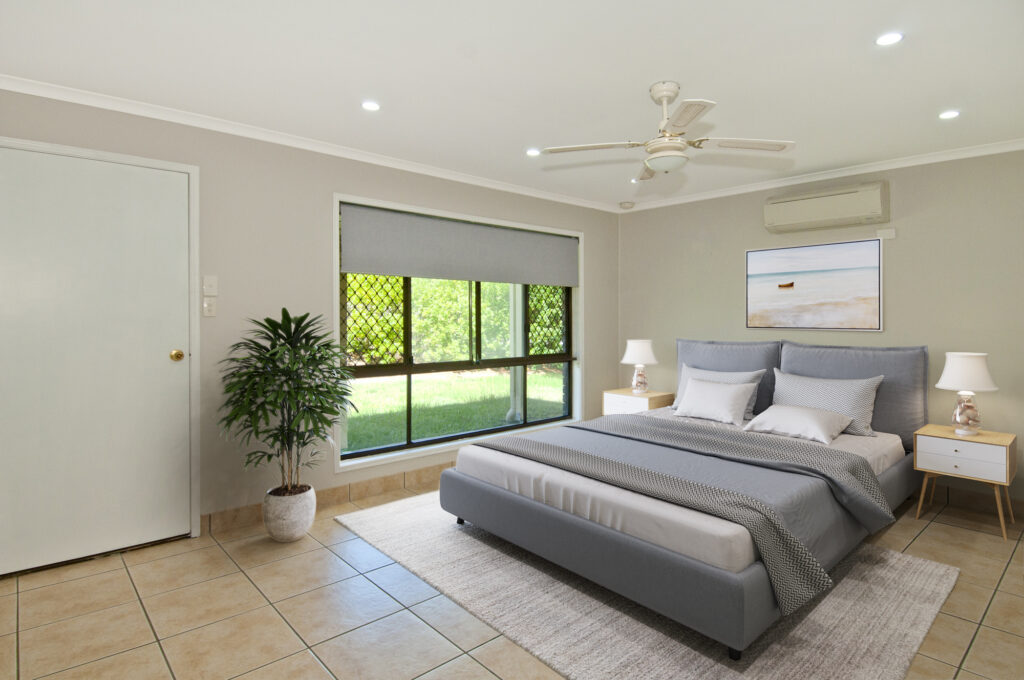
In other words, the trend is toward more intentional coverage. Not just "more photos," but better photos with a clearer role in the selling process.
Conclusion
The top real estate photography trends all point in the same direction: buyers expect listing visuals to be clearer, faster, more immersive, and more useful than before. AI-assisted editing is improving speed. Virtual staging is becoming more realistic and strategic. Drone work still adds value when context matters. 3D tours and cinematic video continue to strengthen the online first impression. Twilight photography still helps premium homes stand out. Mobile-first formatting is now essential, not optional.
But the deeper shift is this: real estate photography is becoming less about isolated images and more about full visual communication. The listings that perform best are usually the ones where photos, editing, staging, video, and platform formatting all work together.
If you want to stay competitive, the goal is not to chase every trend blindly. It is to use the right trend for the right property, then execute it with consistency and realism.


