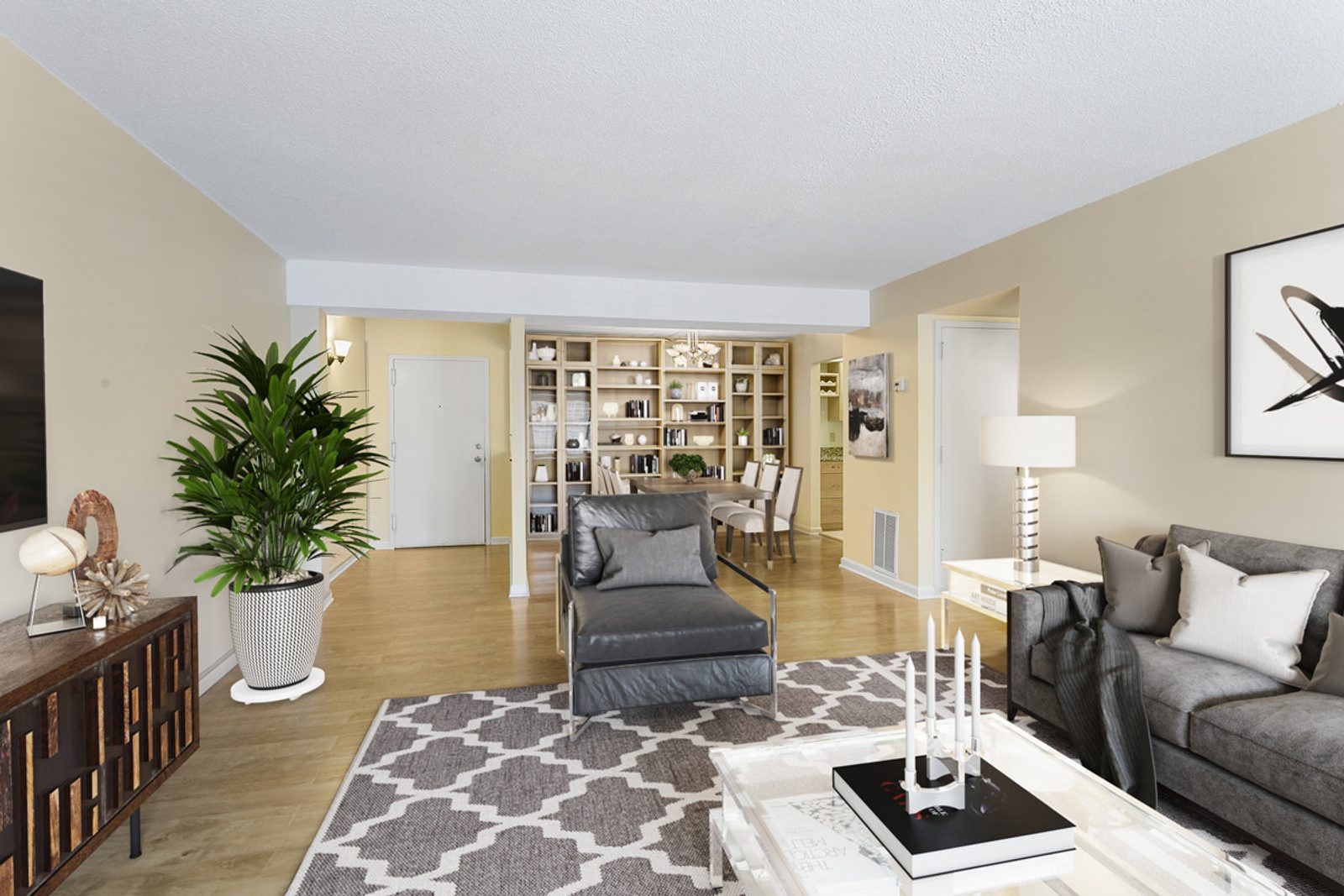
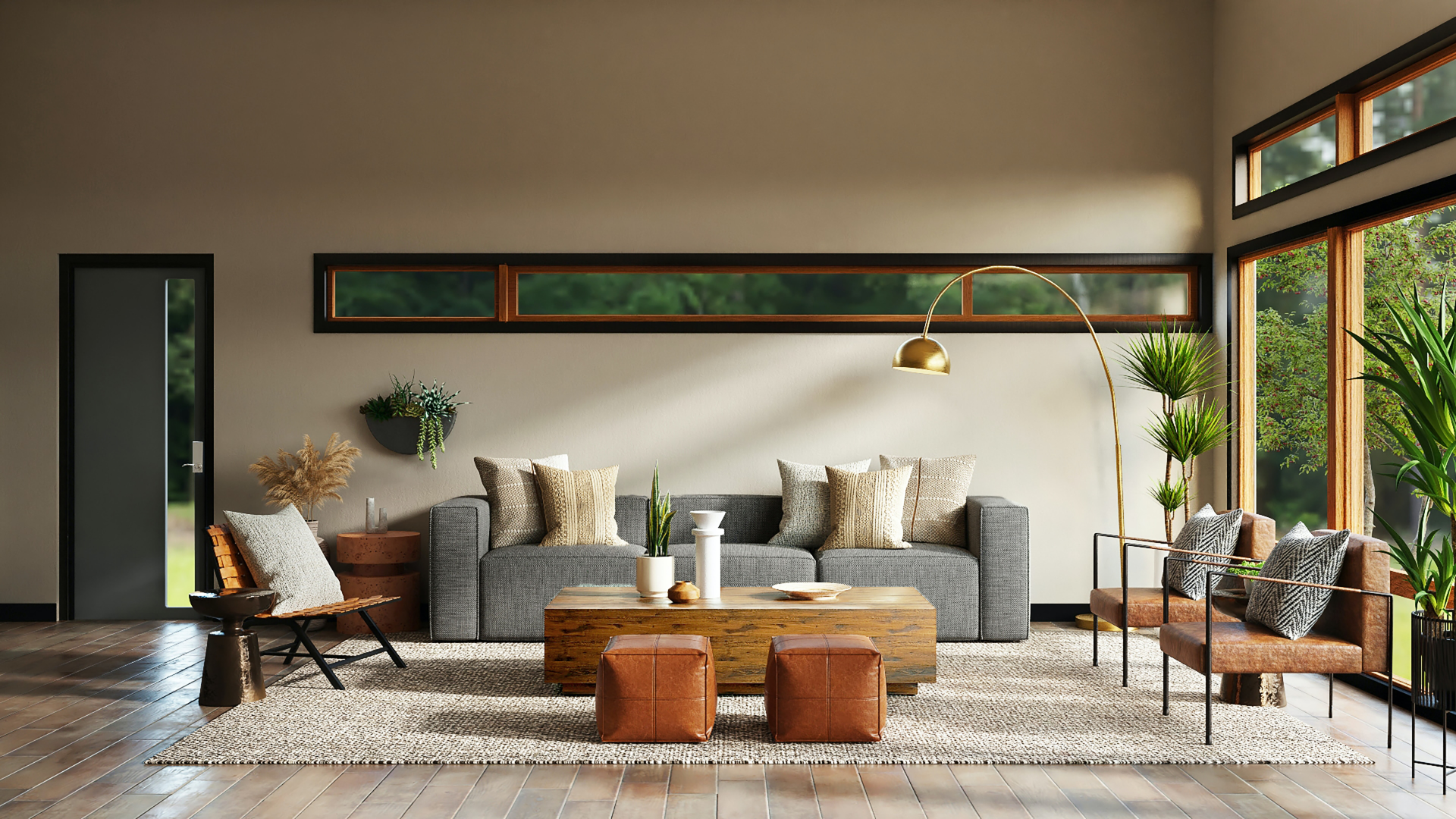
Selling a home faster is rarely about one trick. It usually comes down to how well the property is priced, presented, photographed, and marketed in the first days it hits the market. That is where virtual staging can help. It gives buyers a clearer picture of how an empty or awkward room could look when it is furnished well, which can improve attention and early engagement.
The problem is that many sellers and agents use virtual staging badly. They stage the wrong rooms, choose unrealistic furniture, overdesign the space, or rely on staged photos without fixing the rest of the listing. When that happens, the images may look polished but still fail to help the home sell faster.
This guide focuses on practical tips to sell home faster with virtual staging. Instead of treating virtual staging like a magic shortcut, the goal is to use it as part of a smarter listing strategy that makes the property easier to understand and more appealing to serious buyers.
What Is Virtual Staging and Why Does It Matter?
Virtual staging is the process of digitally adding furniture, decor, lighting adjustments, and styling details to photos of empty or lightly furnished rooms. The purpose is not to mislead buyers. The purpose is to help them visualize how a room can function and feel.
That matters because many buyers struggle to interpret vacant spaces from photos alone. Empty rooms often look smaller than they really are. Odd corners can feel confusing. A large living room may not communicate whether it can handle a sectional, media wall, or conversation area. When buyers cannot read a room quickly, they are more likely to scroll past the listing.
Virtual staging reduces that friction. It can make a property look more complete, more livable, and easier to imagine as a future home. In a crowded online market, that improvement in clarity can be enough to earn more clicks, more saves, and more showing requests.
For a broader look at why it works, see How Virtual Staging Helps in Real Estate Sales.
Tip 1: Stage the Rooms That Influence Buyer Decisions First
Not every room deserves staging. If you want to sell home faster, focus on the rooms that shape first impressions and buying confidence.
The highest-impact rooms are usually:
- the living room
- the primary bedroom
- the kitchen-adjacent dining area
- a flexible room that buyers might not understand otherwise
These rooms help buyers answer immediate questions:
- Can I picture daily life here?
- Does the layout make sense?
- Does the home feel move-in ready?
- Is there enough usable space?
Secondary rooms may matter less unless they solve a specific problem. A spare bedroom, empty office, or bonus room can benefit from virtual staging when buyers might otherwise see it as wasted square footage.
If the budget is limited, stage fewer rooms well instead of staging the entire house poorly. Two or three strong images usually do more for listing performance than six weak ones.
Tip 2: Use Realistic Furniture That Matches the Home
One of the fastest ways to weaken a listing is to use staging that looks too luxurious, too trendy, or simply out of proportion. Buyers notice when a modest suburban home is filled with furniture that belongs in a luxury penthouse. Even if they cannot explain why it feels wrong, the images stop feeling trustworthy.
The best virtual staging choices match:
- the home price point
- the architectural style
- the room dimensions
- the local buyer profile
For example, a compact condo may need lighter, space-conscious furniture that shows flow and functionality. A family home may benefit from warmer, more practical staging that suggests comfort and livability. A modern apartment may support cleaner styling and sharper lines.
Effective staging should make the room feel believable. It should help buyers imagine ownership, not distract them with design theater.
If you are comparing approaches, Virtual Staging vs. Home Staging explains where digital staging makes more sense than physical staging.
Tip 3: Keep the Room Size Honest
If your goal is to sell faster, do not trade short-term visual impact for long-term disappointment. Oversized rugs, ultra-slim furniture, or unrealistic layouts may make a room look bigger in photos, but they also create a mismatch between online expectation and in-person reality.
That mismatch is expensive. It can lead to:
- fewer serious buyers after showings
- negative feedback about misleading photos
- lower trust in the listing
- more time on market
Use virtual staging to clarify scale, not distort it. Furniture should fit naturally inside the room and respect windows, doors, and walkways. The result should feel helpful, not manipulated.
This matters even more if the property will appear on MLS platforms or syndication sites where image credibility affects buyer confidence. For compliance considerations, see Virtual Staging and MLS Rules and Is Virtual Staging Legal in Real Estate?.
Tip 4: Fix the Underlying Photo Quality Before Staging
Virtual staging cannot rescue poor source photography. If the room is too dark, badly cropped, tilted, or cluttered, the final staged result will still feel weak. The furniture may look fine, but the photo itself will not sell the space effectively.
Before ordering virtual staging, make sure the image already has:
- straight vertical lines
- clean composition
- balanced exposure
- color correction
- removal of minor distractions
The staging layer works best when the base image already looks professional. Think of it this way: staging improves interpretation, but strong photography establishes trust. You need both.
If the room has visible flaws such as harsh shadows, sensor noise, or poor white balance, handle that before the staging step. A polished base image gives the designer much better material to work with and creates a more convincing final result.
Tip 5: Use Staging to Solve Buyer Confusion
Virtual staging is most valuable when it answers a question the listing photos currently leave open. If a room already reads clearly, staging may add little. But if buyers are likely to pause and wonder what a space is for, staging can move them forward.
Use it especially for rooms like:
- long narrow living spaces
- open-plan areas with unclear zones
- awkward loft corners
- empty dining areas
- bonus rooms
- compact bedrooms that need layout guidance
The best staged image does not merely make the room prettier. It makes the room easier to understand.
That is one reason virtual staging often helps vacant listings more than occupied ones. With an occupied property, buyers already see furniture, use, and scale. With an empty property, the listing has to do more explanatory work. Virtual staging fills that gap efficiently.
Tip 6: Make the Staged Images Part of the Full Marketing Plan
If you want to sell home faster, do not let the staged image live only inside the listing gallery. Use it across the marketing funnel.
A strong staged image can become:
- the lead image for the property page
- the hero image for social promotion
- a before-and-after comparison in an email
- a supporting visual in a seller presentation
- a graphic for boosted listing ads
When the same high-quality staged visuals appear consistently across channels, the listing feels more deliberate and more market-ready. That consistency helps reinforce quality and makes the home more memorable.
The strongest approach is usually a mix of unstaged and staged photos. Show the real structure of the property, but include staged versions of key empty rooms where visualization matters most. That gives buyers transparency while still helping them imagine the potential.
Tip 7: Be Honest About What the Buyer Will Actually Receive
Trust helps homes sell faster. If buyers feel tricked, the listing loses momentum.
That is why it is important to disclose when photos are virtually staged wherever your platform or market rules require it. A simple note protects credibility and reduces the chance that buyers arrive with the wrong expectations.
Honest disclosure is especially important when:
- the room is vacant in reality
- furniture has been added digitally
- decor elements materially change the feel of the room
- buyers may assume fixtures or furnishings are included
Clear communication does not weaken the listing. In most cases it makes the marketing feel more professional. Serious buyers are not upset that a room was staged digitally. They are usually upset only when a listing feels misleading.
Tip 8: Pair Virtual Staging with Accurate Pricing and Strong Follow-Up
Virtual staging can help attract attention faster, but it cannot compensate for poor pricing or weak sales execution. If a listing is overpriced, badly described, or slow to respond to inquiries, the staged photos alone will not fix the problem.
To make virtual staging actually support a faster sale:
- price the property realistically for the market
- publish the listing with strong copy and complete details
- respond quickly to inquiries
- schedule showings efficiently
- keep the home presentation consistent online and offline
Think of virtual staging as an accelerator, not a substitute. It improves the presentation layer. The rest of the listing process still needs to be sharp.
That is why staged images work best when they are part of a coordinated launch, especially during the first week on market when buyer attention is highest.
Tip 9: Choose a Style That Appeals Broadly
Many sellers make the mistake of staging for personal taste rather than market appeal. Bold colors, highly specific decor, and niche aesthetics may look interesting, but they often reduce the number of buyers who connect with the image.
If the goal is to sell faster, broad appeal usually wins.
Choose staging that feels:
- clean
- current
- warm
- proportional
- neutral enough for buyers to project themselves into the space
That does not mean boring. It means controlled. The design should support the room, not compete with it.
This is especially important for high-traffic listing photos such as the main living area and primary bedroom. These are not the places to experiment heavily. They are the places to create confidence.
Tip 10: Use Virtual Staging Where It Has the Highest Return
Virtual staging is popular because it offers a strong presentation upgrade at a lower cost than traditional staging. But it still works best when used selectively.
It often delivers the highest return for:
- vacant listings
- new construction without furnished models
- investor flips
- rental-to-sale transitions
- inherited properties
- homes with outdated or mismatched furniture
It may be less necessary when the home is already beautifully furnished, professionally photographed, and clearly understandable in its current condition.
If you are deciding whether the investment makes sense, Home Staging and Virtual Staging Statistics offers useful context about how staging influences buyer perception and listing performance.
Common Mistakes That Prevent Virtual Staging from Helping
If you want to sell home faster, avoid the most common failure points:
Staging too many rooms
More images do not always mean better performance. Too many staged rooms can start to feel artificial, especially if the quality varies.
Choosing luxury design for a mid-market property
If the style feels disconnected from the home or neighborhood, the listing may look polished but less believable.
Ignoring photo editing basics
Crooked lines, poor lighting, and messy composition weaken the final result even if the furniture is attractive.
Using staging without disclosure
This creates an unnecessary trust problem and may conflict with platform expectations.
Expecting staging to fix pricing or condition issues
Virtual staging helps presentation. It does not solve structural problems, deferred maintenance, or unrealistic seller expectations.
How to Get Your Real Estate Images Virtually Staged
If you want to move quickly, the process can be simple:
- Contact us via Digihomestudio.com or through our social channels:
- Send the property photos and note any room goals, preferred style, or buyer profile.
- Review the staged results, request revisions if needed, and use the final images across your listing and marketing materials.
If you want a broader view of how digital staging supports the industry, The Impact of Virtual Staging on the Real Estate Industry explores the bigger shift.
FAQ: Tips to Sell Home Faster with Virtual Staging
Does virtual staging really help sell a home faster?
It can help by improving listing photos and reducing buyer hesitation at the earliest stage of the search process. It does not guarantee a faster sale, but it often improves how quickly buyers engage with a property online.
Which rooms should be staged first?
Usually the living room, primary bedroom, dining area, and any space with unclear function. Start with the rooms that shape first impressions and drive showing requests.
Is virtual staging better than traditional staging?
Not always. It is often faster, cheaper, and easier to scale, especially for vacant listings. Traditional staging may still be stronger for luxury listings, in-person showings, or homes where physical atmosphere is central to the sale.
Should I use both empty and staged photos?
In many cases, yes. That gives buyers a realistic view of the property while still helping them understand how key spaces can be used.
Conclusion
The best tips to sell home faster with virtual staging are not about making a listing look flashy. They are about making the property easier to understand, easier to imagine, and easier to trust.
When you stage the right rooms, keep the design realistic, use strong source photos, and integrate the final images into the full marketing plan, virtual staging becomes a practical advantage instead of a decorative extra. It helps the listing do its job earlier and more effectively.
If you want professionally staged images that fit the property, support your marketing, and stay aligned with buyer expectations, visit Digihomestudio.com to get started.