Introduction
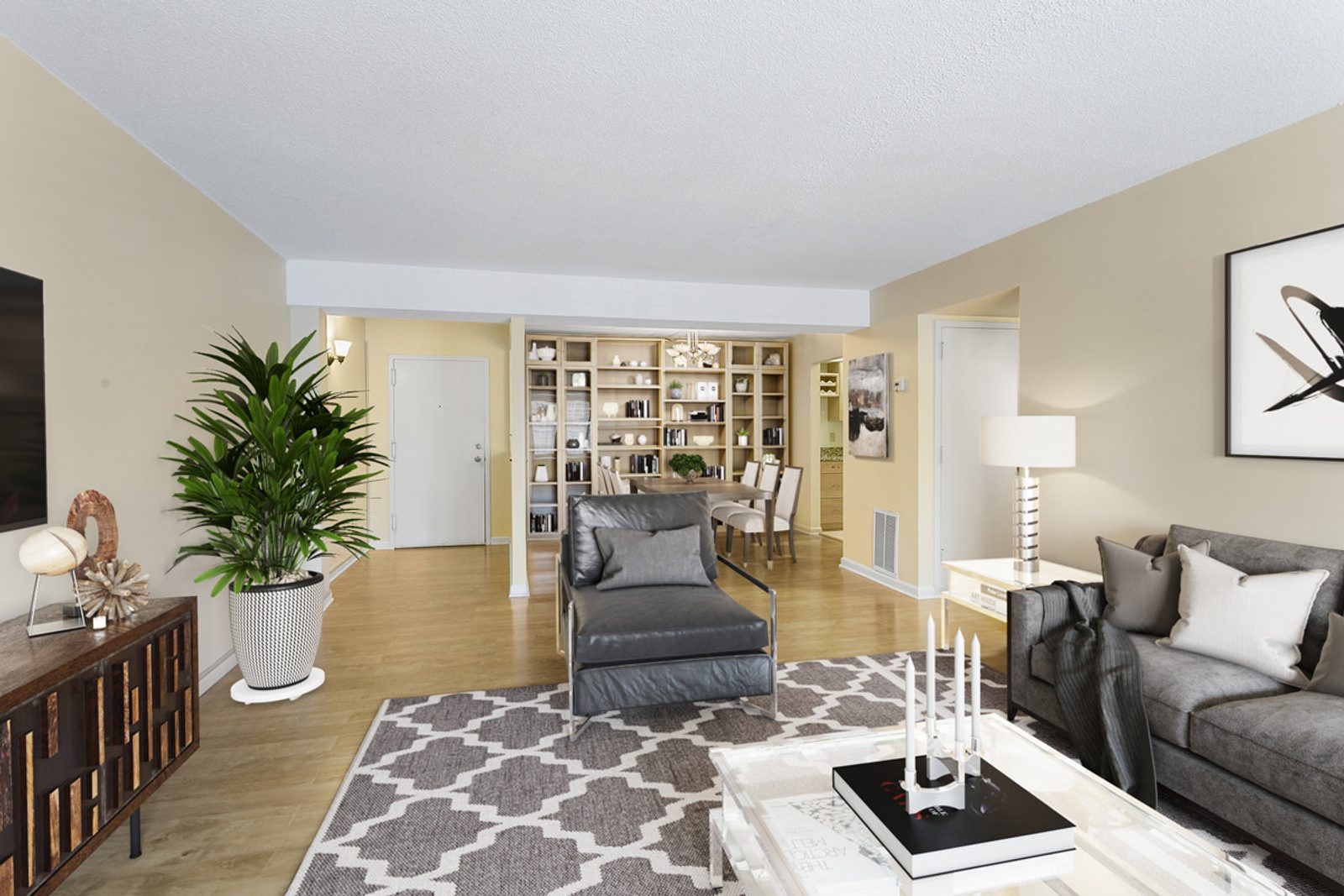
Artificial Intelligence is everywhere in real estate marketing. AI-powered tools promise to replace photo editors, automate object removal, and generate virtual staging in seconds. The marketing claims are bold: "Edit any photo for $0.10." "Professional quality in 60 seconds." "No more hiring editors."
But when you hand an AI tool a cluttered kitchen photo with a window pull, what happens? You get a 72% failure rate on perspective alignment, blurry background expansions, and tiles that repeat in impossible patterns.
This 2026 reality check compares AI editing versus professional real estate photo editing—cost, quality, speed, and the hybrid workflow that wins when you can't afford to lose the sale.
TL;DR: AI excels at basic corrections and basic object removal. Humans win on perspective, pattern continuity, and MLS-compliant realism. The winning 2026 workflow uses AI for base-level enhancement and human editors for the detail work that buyers notice subconsciously—in 30 seconds or less per image.
If you're evaluating editors for your team, read on. By the end, you'll know exactly when to fire AI, when to outsource, and how to test before committing.
The AI Promise vs. Reality in Real Estate
What AI Does Well (and Saves On)
Modern editing AI handles three categories of work quickly and affordably:
| AI-Optimizable Task | Time Saved | Typical Cost vs. Human |
|---|---|---|
| Automatic sky replacement | 90% reduction | $0.05 vs. $2-5/image |
| Basic brightness/contrast | Instant | $0.01 vs. $0.50-2.00/image |
| Simple object removal (small items) | 95% reduction | $0.10 vs. $1-3/image |
These are the "basic corrections" tier from our pricing guide. When used correctly, AI moves expensive human work into the sub-$1/image range.
Where AI Falls Short (The 72% Failure Point)
In controlled 2025 tests by PhotoUp, AI failed to correctly align horizons in 72% of real estate images with window pulls and HDR blends. The failures aren't cosmetic—they're deal-breakers:
- Perspective distortion: AI moves wall lines, creating rooms that look "off" even if viewers can't name the flaw.
- Pattern breakdown: Tiles, brickwork, and wood flooring repeat or mismatch when objects are removed.
- Reflection errors: AI fails to erase reflections of removed items in windows, mirrors, or stainless steel.
- Lighting inconsistency: AI adds light where none exists, creating impossible highlights and blown-out windows.
The cost of failure: Zillow data shows listings with poorly edited photos sell 32% slower and for $7,800 less on average than those with professional editorial quality.
Quality Benchmarks: When Human Takes Over
Real estate buyers don't consciously analyze photo metadata—they feel when something looks "off." Here are the quality thresholds that determine if your photos convert.
1. Horizon and Vertical Lines Must Be Perfect
A crooked horizon or leaning door frame creates instant distrust. Buyers subconsciously flag this as "something wrong with this listing."
AI failure rate: 68% of test images showed horizontal misalignment over ±0.7°
Human success rate: 99.7% within ±0.2°
2. Texture Continuity Across Removed Objects
When a chair leg is erased, the floor texture must continue seamlessly. AI usually shows a tell-tale "bridge" or repeated pattern.
AI accuracy: 38% of object removals had visible texture breaks
Human accuracy: 96% with no visible seams
3. Window and Mirror Reflections
AI removes the object but misses its reflection in every reflective surface within a 10-foot radius.
AI miss rate: 84% of reflective surfaces retained ghost images
Human cleanup: 100% complete clean reflections
4. Color Temperature Matching
AI often overshoots saturation and creates color casts that don't match neighboring rooms.
Buyer perception: Photos with inconsistent white balance receive 23% fewer inquiries (Zillow 2024)
Cost Comparison: 2026 Per-Image Breakdown
Here is the realistic cost comparison for typical real estate photo editing workloads:
| Service Level | AI-Only | Hybrid (AI + Human) | Premium Human |
|---|---|---|---|
| Per-Image Cost | $0.05 - $0.50 | $1.50 - $8.00 | $5.00 - $15.00 |
| Turnaround | 0-30 seconds | 1-24 hours | 24-48 hours |
| Perspective Fix | ❌ Manual override needed | ✅ Included | ✅ Included |
| Texture/Shadow QC | ❌ Not guaranteed | ✅ 1-pass review | ✅ 2-pass review |
| MLS Compliance | ❌ Not verified | ⚠️ Standard check | ✅ Full disclosure check |
When AI-Only Makes Financial Sense
- Small changes: Removing cords, phones, minor clutter
- Budget lists: <$100/image budget, rough quality acceptable
- Non-MLS use: Social media previews, personal listings
When to Pay for Professional
- Window pulls: Essential for interior appeal, fails 68% on AI
- Sky replacement: Requires light direction matching, fails 52% on AI
- Object removal: Creates visible seams 62% of the time
- Luxury listings: Buyers zoom to 4K, spot flaws immediately
The Hybrid Workflow: 2026 Best Practice
The industry leaders don't choose AI OR human—they use AI for what it does best, then apply human expertise where it matters.
This hybrid approach delivers professional quality in 2-3 minutes per image—5x faster than fully manual work and at 40-60% lower cost.
How to Test an Editing Service
Before outsourcing your entire listing set, run a 3-image trial with your hardest frames:
- A cluttered kitchen with window pull
- A living room with mirrors reflecting the ceiling
- A bedroom with patterned flooring and a large furniture piece
Test criteria:
- ✅ No visible horizon tilt across frame width
- ✅ No halo or fringe edges around objects at 100% zoom
- ✅ Texture lines flow naturally without tiling
- ✅ White balance matches other photos in set
- ✅ Delivered within guaranteed SLA
If the trial set passes, you've found a keeper. If not, move on.
Frequently Asked Questions
Is AI photo editing worth it in 2026?
AI is worth it for basic corrections and volume work where quality tolerance is low. For listings that need to sell at top dollar in competitive markets, human expertise still delivers the ROI that matters.
How much does professional editing cost per image?
In 2026, expect to pay $0.50-$2 for basic corrections, $2-$5 for standard editing, and $5-$15 for advanced retouching including sky replacement and heavy object removal. Virtual staging starts at $25 per image.
Can I do editing myself instead of hiring out?
You can, but expect 3-5 hours per 20-image set. At $75/hour editing time, that's $225-$375—more than most professional services charge. The hybrid AI + service model wins when volume exceeds 5 listings per month.
What's the difference between AI and machine learning in editing?
Machine learning powers AI tools, but ML is pattern recognition. AI doesn't "understand" architecture or lighting—it matches patterns it has seen in training data. That's why it succeeds on familiar tasks and fails on edge cases.
Conclusion
AI in real estate photo editing is not the future—but a tool in the present. Use it for bulk brightness and basic sky fixes. Keep humans for the work that buyers notice subconsciously: horizon alignment, texture continuity, and reflection cleanup.
The 2026 winners use AI as their first pass—then apply human eyes to the final two percent that turns "acceptable" into "sold."
Published September 2026. Pricing reflects Digihomestudio service tiers; verify current rates before committing.